Sudoku Puzzles for KDP Interior Vol-3: A Practical Look at Format, Fit, and Use Cases
Putting together a quality puzzle book for print-on-demand platforms like Amazon KDP involves more than just collecting grids. The formatting, layout, difficulty curve, and file structure all influence whether a title appeals to buyers and performs well in a competitive category. Sudoku Puzzles for KDP Interior Vol-3 is one such resource designed specifically for self-publishers who want a ready-to-use interior file. But how does it compare to assembling puzzles from scratch or using other interior packs? This article examines what this collection offers, where it fits best, and what tradeoffs to consider before choosing it for your next project.
What Sudoku Puzzles for KDP Interior Vol-3 Provides
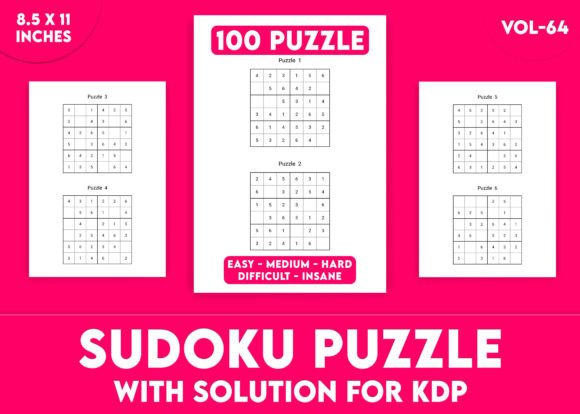
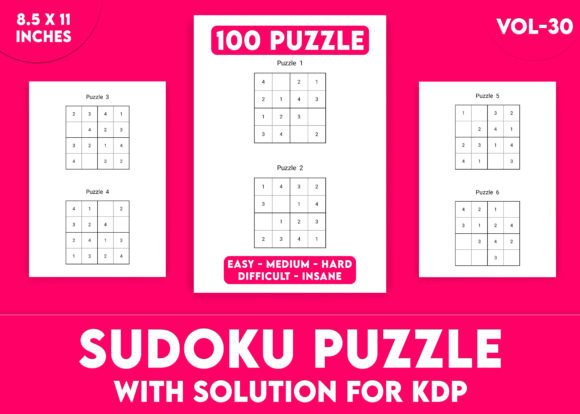
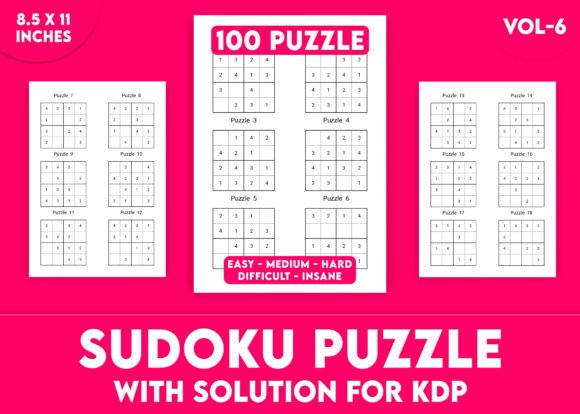
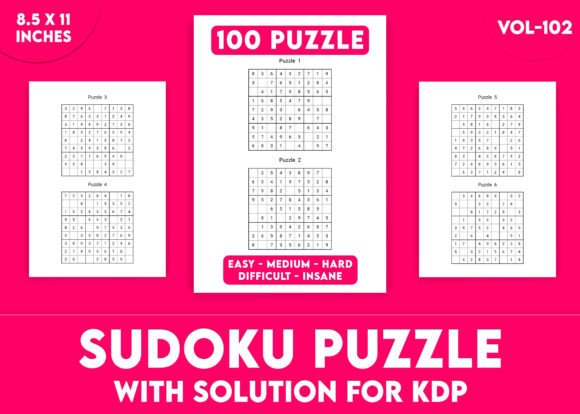
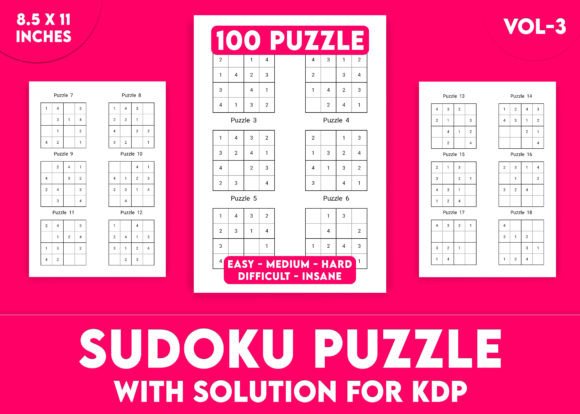
This interior pack contains 100 Sudoku puzzles, each with a corresponding solution, in an editable PDF format. The page size is set to 8.5 x 11 inches, which is a standard trim size for trade paperbacks and allows for comfortable spacing around each grid. The volume is labeled as Vol-3, indicating it is part of a series, which can be useful if you plan to release multiple puzzle books with consistent formatting.
The editable PDF format means you can adjust elements like font styles, header placement, or page numbering before uploading to KDP. This flexibility is important because Amazon’s preview tool can sometimes flag margins or text placement, and having an editable file lets you make corrections without rebuilding the entire layout.
- 100 unique puzzles with solution pages included
- Editable PDF file for layout adjustments
- Large 8.5 x 11 inch trim for easy reading and note-taking
- Solutions provided at the back of the book (standard convention for puzzle books)
The puzzles themselves are described as challenging but solvable. This phrasing suggests a difficulty level above beginner but not so hard that casual solvers become frustrated. For a KDP puzzle book, balancing difficulty is important because it affects customer reviews and return rates.
Comparing Pre-Designed Interiors vs. Building Your Own
Many self-publishers face the decision of whether to buy a ready-made interior or create puzzles and layout themselves. Each path has clear tradeoffs.
Time and Effort
Generating 100 original Sudoku puzzles with valid solutions takes considerable time, even using software. You also need to design a clean layout, check for duplicate puzzles, and ensure all solution numbers align with the grids. Sudoku Puzzles for KDP Interior Vol-3 eliminates that workload. You receive a complete file that only needs minor customization before publishing. For someone releasing multiple books in a short timeframe, this time saving is significant.
Control Over Difficulty and Variety
When you design puzzles yourself, you can tune the difficulty to a very specific level or mix various styles (e.g., diagonal Sudoku, irregular grids, or different grid sizes). A pre-designed interior like this one offers a consistent difficulty range across 100 puzzles. If your target audience expects a uniform challenge—such as a book marketed as “all medium-hard puzzles”—this consistency is an advantage. But if you want to include easy warm-ups, extreme challenges, or variant types, you would need supplementary puzzles from other volumes or sources.
File Quality and Formatting
One common issue with puzzle interiors is poorly aligned numbers, inconsistent cell sizes, or cramped margins that make the puzzles hard to solve. The 8.5 x 11 inch format used here provides generous space, which reduces these problems. The editable PDF also allows you to check for any rendering issues before publishing. Compared to some lower-cost interior packs that use locked PDFs or poorly structured tables, an editable file gives you more control over the final print quality.
Strengths of This Volume for Specific Use Cases
Not every puzzle interior serves the same purpose. Here are situations where Sudoku Puzzles for KDP Interior Vol-3 is a strong fit.
Series Continuity
If you have already published Vol-1 and Vol-2 from the same series, Vol-3 maintains formatting and difficulty consistency across your catalog. Readers who enjoyed the previous volumes expect a similar experience. Releasing subsequent volumes with identical layout conventions builds trust and makes your series look professional.
Targeting Adults Who Want a Manageable Challenge
The puzzles are described as challenging but solvable, which appeals to adults who want to exercise logic without needing to spend hours on a single grid. A book with 100 puzzles at this level offers enough content for a month or two of casual solving. This is different from books that mix very easy and very hard puzzles, which can feel uneven. A consistent difficulty level lets the buyer know exactly what they are getting.
Large Print or Accessible Layout Needs
The 8.5 x 11 inch trim size naturally results in larger grid cells and numbers compared to smaller formats like 6 x 9 inches. This is beneficial for readers who prefer bigger print or want to write candidates in the cells without crowding. It also works well for seniors or anyone who finds small fonts uncomfortable. If accessibility is a priority, this volume’s dimensions are a clear advantage.
Limitations and Factors to Evaluate
No single interior pack covers every need. Here are practical limitations to consider before committing to this volume.
No Puzzle Variety Beyond Standard Sudoku
The description mentions only standard 9x9 Sudoku puzzles. There are no variations like 6x6 grids, Samurai Sudoku, or letter-based puzzles. If your book concept requires a mix of puzzle types, you would need to combine this volume with other resources. For a publisher who wants a pure Sudoku book, this is not a problem. But for someone aiming at a broader puzzle audience, the single format may feel restrictive.
Limited Customization of Difficulty Labels
While the puzzles are described as challenging, the file likely does not include explicit star ratings or difficulty labels on each page unless you add them yourself. If you want to market specific puzzles as “expert” or “master” level, you may need to evaluate the puzzles and apply your own labels. The editable PDF does allow you to add text annotations, but it requires manual work if you want a tiered difficulty structure.
Solution Layout and User Experience
Most puzzle books place solutions at the back, which is the standard convention. However, if the solutions are densely packed or printed too close to the spine, they can be hard to read. With an editable file, you can adjust the solution pages to ensure they are clear and well-spaced. But if you don’t plan to modify anything, it is worth checking a print sample before committing to a large print run.
When You Might Consider Other Options
For some publishing projects, a different approach may be more suitable.
- If you need very easy or very hard puzzles: This volume targets a middle difficulty range. If your audience expects puzzles that beginners can finish in five minutes or experts can wrestle with for an hour, you may need a source with more extreme ends of the difficulty spectrum.
- If you want a smaller or larger book: The 8.5 x 11 inch size is great for readability but may feel large for travelers or those who prefer a pocket-sized book. A 6 x 9 inch format is more portable. This volume locks you into a specific trim size unless you reformat the PDF aggressively.
- If you need a unique interior design: Some publishers want decorative borders, thematic colors, or branded headers that differ significantly from a plain puzzle layout. An editable PDF gives you some room for customization, but if you want a completely original design, you might be better off building the layout from scratch using a tool like Canva, InDesign, or a dedicated puzzle generator.
Making an Informed Decision
Choosing an interior for a KDP puzzle book involves evaluating your time, your audience’s expectations, and the level of control you want over the final product. Sudoku Puzzles for KDP Interior Vol-3 offers a solid middle ground: it is ready to use with minimal effort, provides clear formatting at a readable size, and maintains consistent difficulty across 100 puzzles. It is particularly well-suited for publishers who are building a series, targeting adults who want a manageable challenge, or prioritizing large-print accessibility.
However, if your project demands puzzle variety, extreme difficulty ranges, or a highly customized visual style, you may need to supplement this volume with additional resources or build your own interior. The editable PDF format helps bridge some of these gaps, but it does not replace the need for original puzzle generation or design work in those areas.
Before purchasing, consider printing a single page from the PDF to check how it looks on paper. This small step can reveal any issues with cell size, margin alignment, or solution readability that might not be obvious on screen. It also helps you confirm that the difficulty level matches what you want to deliver to your readers.
In short, this volume is a practical choice for publishers who value efficiency and consistency. It handles the heavy lifting of puzzle creation and layout, while still offering enough flexibility to adapt the file to your specific book’s needs. Understanding where it fits within your broader publishing strategy will help you get the most out of it.